Open Concept vs. Traditional Layouts: What Works Best for Your Home
When you’re planning a remodel, one of the biggest decisions you’ll face is choosing between an open concept layout and a traditional, closed-off floor plan. Each option comes with its own advantages, drawbacks, and design considerations. The best choice depends on your lifestyle, the structure of your home, and how you want your space to feel and function.
Below, we break down both styles to help you decide what works best for your home.
What Is an Open Concept Layout?
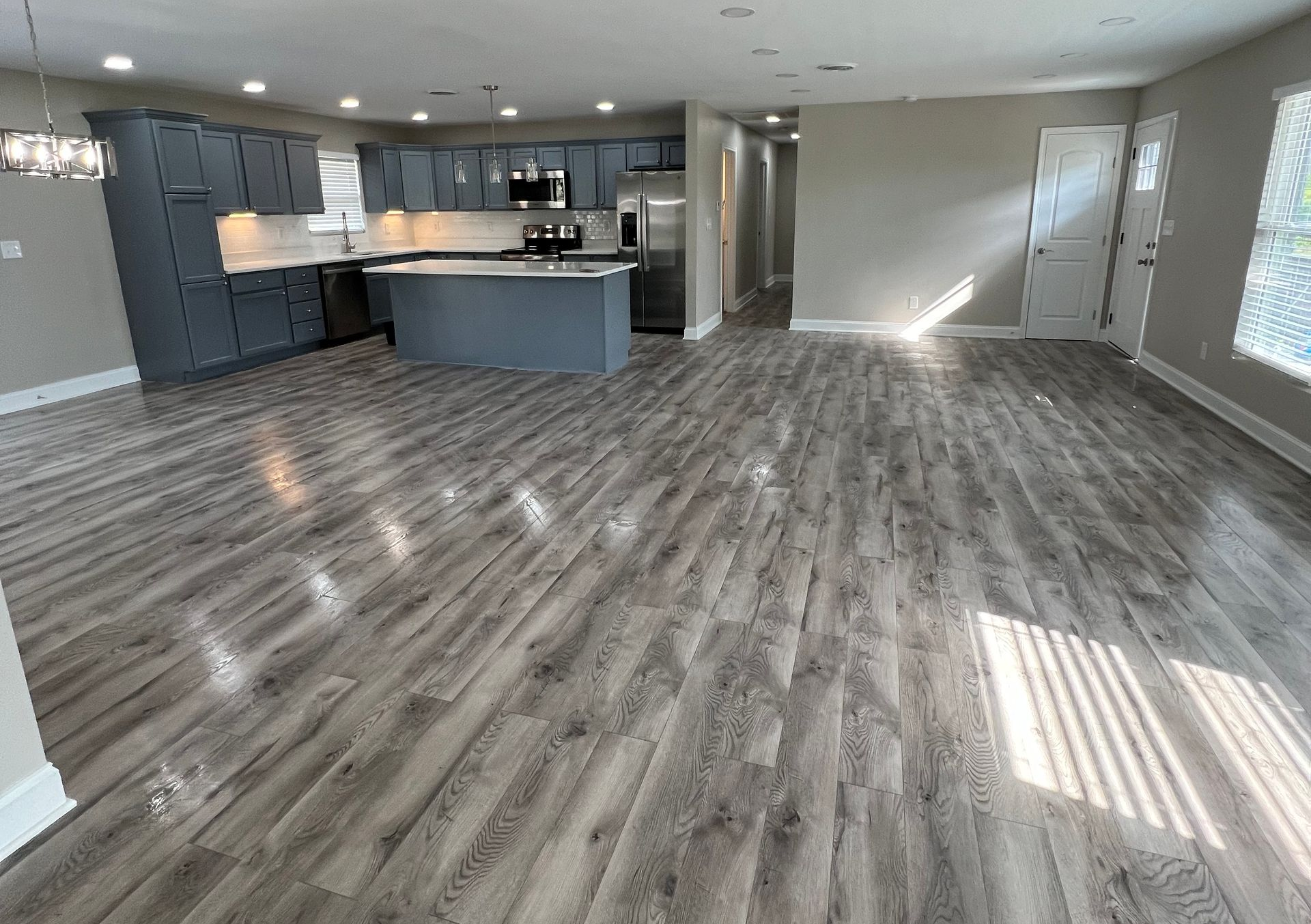
An open concept design removes walls and barriers between major living spaces - typically the kitchen, dining room, and living room. The result is one large, connected area.
Benefits of Open Concept Layouts
- Better Flow and More Space
- Without walls dividing rooms, your home instantly feels larger, brighter, and more comfortable.
- Ideal for Entertaining
- It’s easier to host gatherings when everyone can gather in the same space. You can cook, chat, and keep an eye on guests or kids all at once.
- More Natural Light
- Open layouts allow light from windows and doors to spread across the entire space, making your home feel more inviting.
- Flexible Furnishings
- You can rearrange your furniture freely without walls limiting your layout.
Considerations for Open Concept Layouts
- Less Privacy
- Open layouts mean more visibility and noise. If you like quiet zones, this may be a downside.
- Harder to Hide Clutter
- With sight lines from one room to another, a messy counter or toy pile becomes very noticeable.
- Design Consistency is Key
- The large combined space means finishes, colors, and decor must work together to avoid visual chaos.
What Is a Traditional Layout?
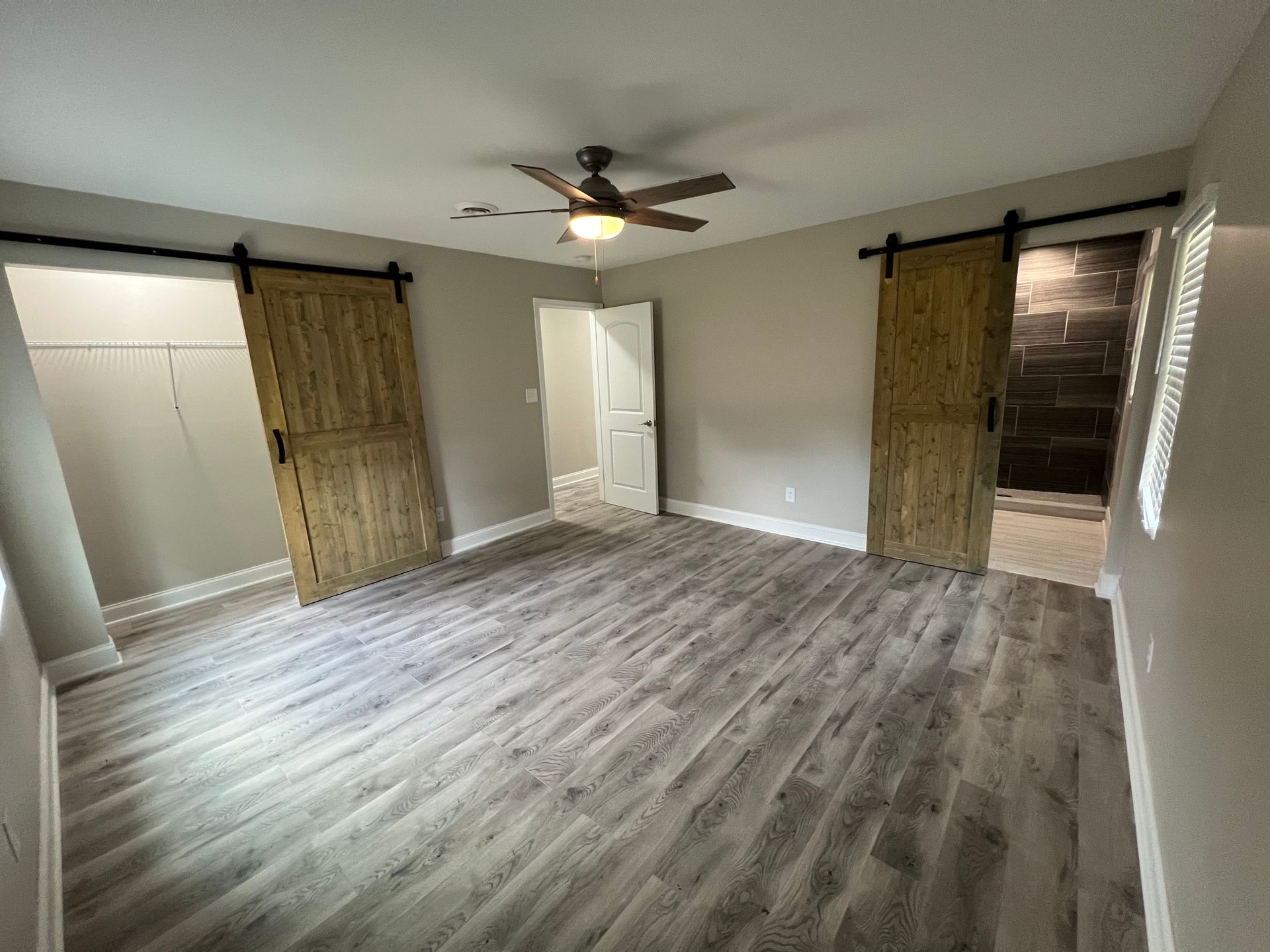
Traditional layouts feature separate rooms with clear boundaries - walls, doors, and designated spaces for specific activities (like a formal dining room or enclosed kitchen).
Benefits of Traditional Layouts
- More Privacy and Separation
- Great for households who need quiet workspaces, separate kids’ play areas, or prefer a more defined floor plan.
- Easier to Manage Clutter
- Enclosed rooms allow you to keep some spaces mess-free while closing the door on others.
- Strong Architectural Character
- Traditional layouts often lend themselves to cozier rooms with architectural charm - arches, trim, molding, and built-ins.
- Better Noise Control
- Walls and doors block sound, making it easier to watch TV in one room while someone else cooks or works in another.
Considerations for Traditional Layouts
- Limited Natural Light
- Walls can block sunlight and make spaces feel darker or smaller.
- Less Flexibility
- Furniture placement is more restricted, and rooms are tied to specific functions.
- Can Feel Cramped
- Especially in older homes, small enclosed rooms may feel tight or outdated.
Which Layout Is Right For You? Key Questions to Ask
1. How Do You Use Your Home Day-to-Day?
- Do you entertain often? -> Open concept might be best.
- Do you need quiet zones for work or home work? -> Traditional works well.
2. How Important Is Natural Light?
- If your home feels dark or boxed in, opening walls can dramatically brighten it.
3. Do You Prefer Defined Spaces or a Big Multifunctional Area?
- Some people like cozy nooks. Others prefer wide, connected rooms.
4. What’s Your Home’s Structure?
- Removing walls - especially load-bearing ones - adds costs. In some homes, a hybrid layout (partially open) offers the perfect balance.
5. What’s Your Budget?
- Open concept remodels may require structural work, electrical relocation, new flooring, or beam installation.
The Best of Both Worlds: Hybrid Layouts
Many homeowners choose a mix of both styles. A hybrid layout might include:
- A partially open kitchen with a peninsula or half-wall
- Case openings instead of full walls
- Sliding barn doors or pocket doors to switch between open and closed
- Columns or arches to define spaces without fully enclosing them
This approach gives you openness without sacrificing privacy or functionality.
Final Thoughts
There’s no one-size-fits-all answer when it comes to choosing between an open concept and a traditional layout. The best design is the one that supports your lifestyle, enhances your home’s flow, and creates a space you genuinely enjoy spending time in.